National Institutes of Health awards three College of Science and Engineering faculty prestigious research grants.
One sentence changed the course of Dr. Shen Ren’s entire career: “I’d do anything to watch her grow up and get married.”
As a graduate student, Ren had face-to-face conversations with kidney failure patients and met the 26-year-old new dad waiting for a kidney transplant that might not arrive.
“He used to be super healthy, with a six-month-old baby girl,” Ren says. “I realized I could do something to help this community and that’s why I’m dedicated to this field.”
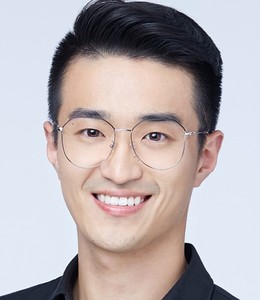
Over a decade later, Ren is an established researcher and entrepreneur in the field of organ preservation. An assistant teaching professor in the department of mechanical engineering at Seattle University, Ren has received several grants and awards to fund this groundbreaking research.
In September, Ren was awarded the prestigious National Institutes of Health (NIH) R15 Academic Research Enhancement Award (AREA). The highly competitive AREA R15s are awarded to faculty at institutions that prioritize undergraduate research with an emphasis on biomedicine.
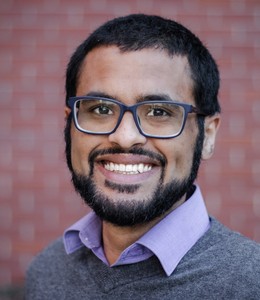
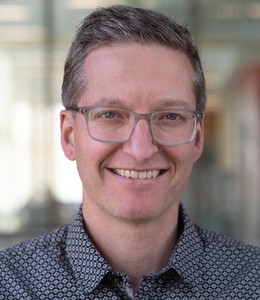
In the last 20 years, SU has received seven R15 awards, three of which were awarded in the last year. With the addition of Ren’s award, the College of Science and Engineering now has three active R15 grants. The other faculty awardees are Brett Kaiser, PhD, professor of biology—who was awarded his AREA R15 grant in 2021 and a subsequent competitive renewal in 2026—and Christopher Whidbey, PhD, ’10, associate professor of chemistry—who was funded in 2025.
In total, the three active R15 awards bring nearly $1.6 million in research support to SU—between $511,000 to $536,000 per award over three years. In addition to supporting a total of 40 unique undergraduate research positions, the awards also fund faculty salary, equipment, conference travel and other supplies needed to complete the research.
“It is unprecedented at SU to have three active R15 grants,” says Kara Luckey, associate director for the Office of Research and Sponsored Projects. “It is a testament to our excellent faculty and their commitment to undergraduate research, as well as our strengthening research infrastructure, that the research enterprise in science and engineering continues to expand and grow.”
INTERDISCIPLINARY INNOVATION
Building on Professor Ren’s previous research into organ-preservation technologies, his R15-funded project focuses on continuing his development of a rewarming approach for liver preservation called Single-Mode Electromagnetic Resonance (SMER).
This research addresses the disparity between demand and supply for organ transplantation in the United States. With about 115,000 people on the transplantation waiting list annually, only 40,000 receive the organs they need.
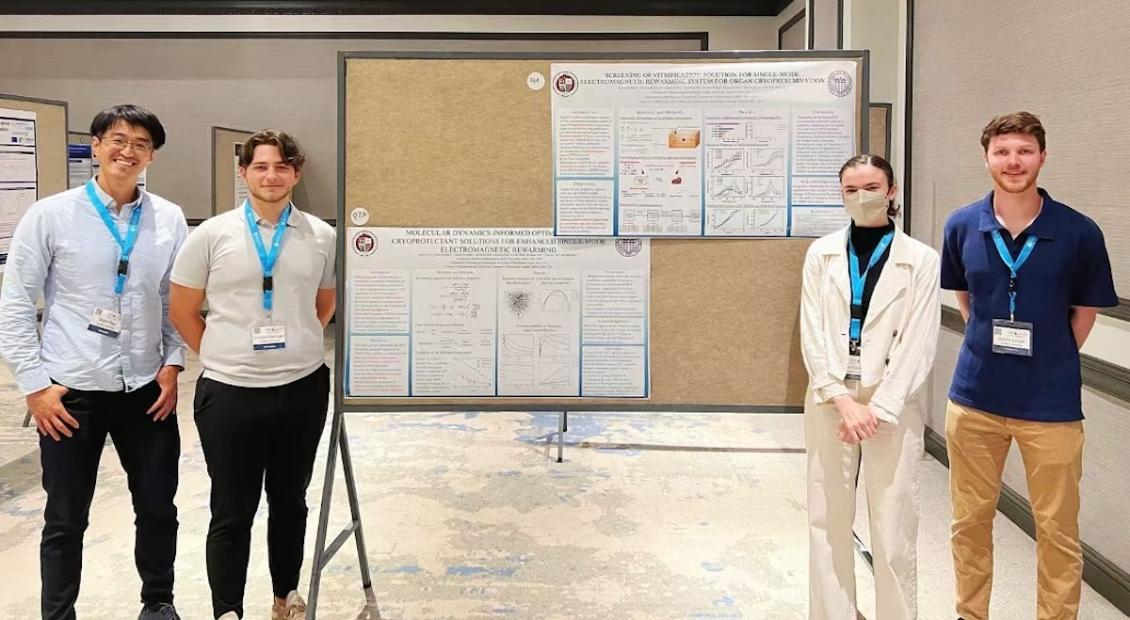
“And that’s not because we don’t have enough organ donors—it’s the lack of technology that can establish long-term organ preservation,” Ren says. “The overarching goal is to extend the viability and biological functionalities for donor tissues and organs from today’s limitation, which is generally 24 hours, to months or even years. There’s a real need and people are waiting for us.”
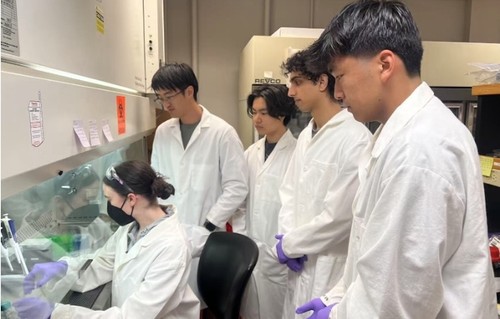
With funding from the grant, the next big step in the evaluation of SMER is testing for both cooling and rewarming technologies. The grant also supports four undergraduate research assistants during the academic year and two during the summer each year, allowing Ren to continue mentoring students across disciplines.
“I am in the department of mechanical engineering, but have student researchers from chemistry, biology, computer science and business, because the work itself is translational,” Ren says. “Doing undergraduate research is a very unique way to help students explore possibilities they never thought about.”
A PhD graduate from the University of Washington, Ren has built his impressive career in biomedical technology and innovation in Seattle.
“Seattle is probably one of the best cities in the states to do health care-related research,” Ren says. “We have such a supportive ecosystem for fundamental research and a supportive entrepreneurship network in a tech-driven city.”
DEFINING THE UNKNOWN
In the biology department, Professor Kaiser is taking a microscope to the cyclical relationship between bacteria and phage.
“Bacteria have evolved for four billion years, and for much of that time they’ve been subjected to infection by phage,” Kaiser says, who was awarded a competing renewal in May 2026. “One mechanism bacteria have evolved to combat phages is through defense systems—clusters of genes that encode proteins and, sometimes, RNA molecules that recognize and block phage infections. My research focuses on understanding the molecular mechanisms by which these defense systems work.”
In 2019, Kaiser began investigating one of these defense systems called bacteriophage exclusion, or BREX. His main goal is to understand the nuts and bolts of how bacteria fight off phage, creating the potential for protein engineering that can be applied to antibiotic resistant strains of bacteria and other treatments for disease.
In collaboration with Dr. Barry Stoddard at Fred Hutch, Kaiser and a team of SU undergraduate research assistants have published several papers on BREX, the most recent solving the structure of a subcomplex BREX protein that they believe forms the core of BREX’s phage recognition and restriction activities. With the renewed funding from the R15, Kaiser will be able to continue lab work with student researchers that includes purifying proteins and characterizing them through a series of different tests known as assays.
“A big component of the R15 grant is the training of undergraduate students, so it’s something that fits very well with what we do here at SU. We think very deeply about how to incorporate and train students in these projects, because it’s by far the most important thing that we do,” Kaiser says.
MICROBIOMES, MACRO RESULTS
Professor Whidbey’s R15 grant supports his continued research into microorganisms present in the vaginal tract that can affect health outcomes. Whidbey has received several awards and grants to support this research, including the prestigious Lynwood W. Swanson Promise for Scientific Research,
“The R15 helps give us resources needed to do cutting-edge biomedical research,” Whidbey says. “The first year of the grant was really spent optimizing our protocols and procedures.”
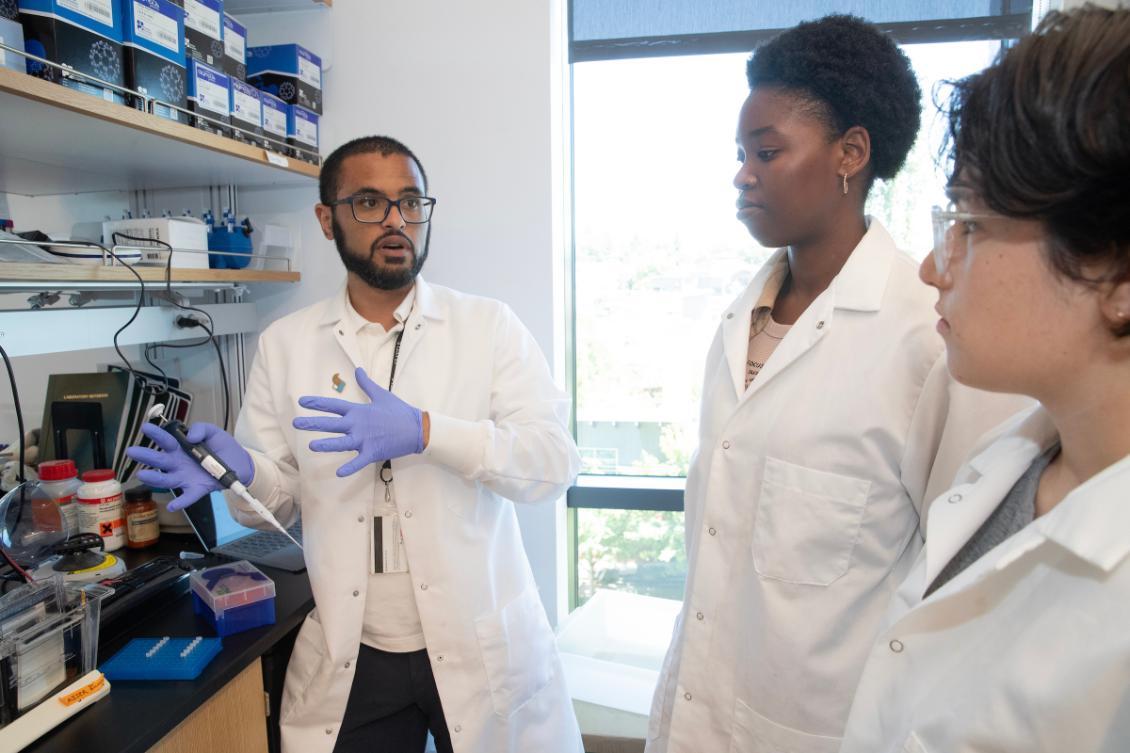
Whidbey’s research focuses on the effects of Lactobacillus bacteria, which is associated with lower rates of bacterial vaginosis (BV) and preterm birth. Last year, his team collaborated with Massachusetts General Hospital and volunteers at SU to obtain samples of cervicovaginal fluid (CVF) from people with BV.
“Like a lot of women’s health topics, BV is understudied and doesn’t have very good treatment options,” Whidbey says. “If you can find a way to address BV, that could potentially help improve quality of life for folks and help prevent dangerous conditions and infections down the road.”
Whidbey emphasizes that earning prestigious grants like the R15 is not a solo venture—it requires a team.
“It takes a lot of groups to help make research happen,” Whidbey says. “All of the grants we get we rely on the professional staff at SU. We couldn’t do the work without the excellent support we get from ORSP (Office of Research and Sponsored Projects), Academic Safety and laboratory managers.”
Similar News & Stories
-
Research Takes Center Stage
SU NewsCollege of Science and Engineering hosts showcase for STEM-related student and faculty research. -
Finding Purpose at Albers: Lars Kaser's Path from High School Participant to Campus Mentor
Campus NewsFinance major Lars Kaser went from Summer Business Institute participant to peer counselor, and now helps first- and second-year students build their leadership skills. -
Beyond the Textbooks: How Experiential Learning Prepares Albers Students for Real-World Impact
Campus NewsCompany treks, study tours and internships give Albers students real work experience, professional connections and the confidence to take their next career step.
Contact Listing