Access to Justice in Punjab
A research-to-implementation initiative studying Dalit women's access to the formal legal system in Punjab, India
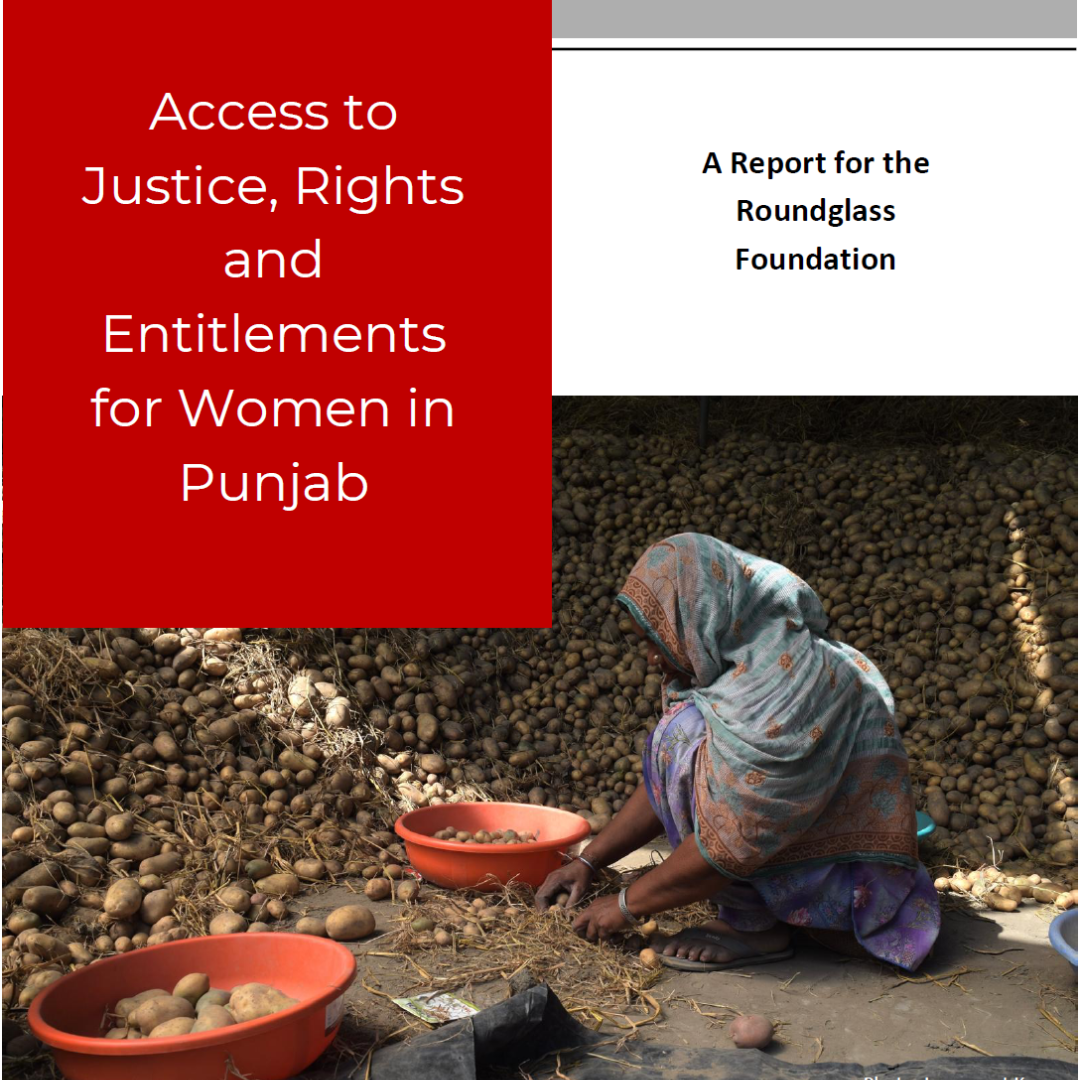
Despite constitutional guarantees, women from marginalized backgrounds in India encounter significant barriers to justice, shaped by violence, economic inequality, and unequal access to legal resources. Access to Justice, led by an interdisciplinary team from Jindal Global University's Centre for Justice, Law & Society and the Roundglass India Center, examines these barriers in the Bathinda and Mansa districts of Punjab.
The project is distinguished by its focus on the intersectional identities — caste, class, religion, gender — that shape women's lived experience of the legal system. Rather than simply cataloguing obstacles, the project maps women's experiences by community and geography, connecting rigorous case law analysis with direct interviews to reveal how justice is delivered, and denied, in practice.
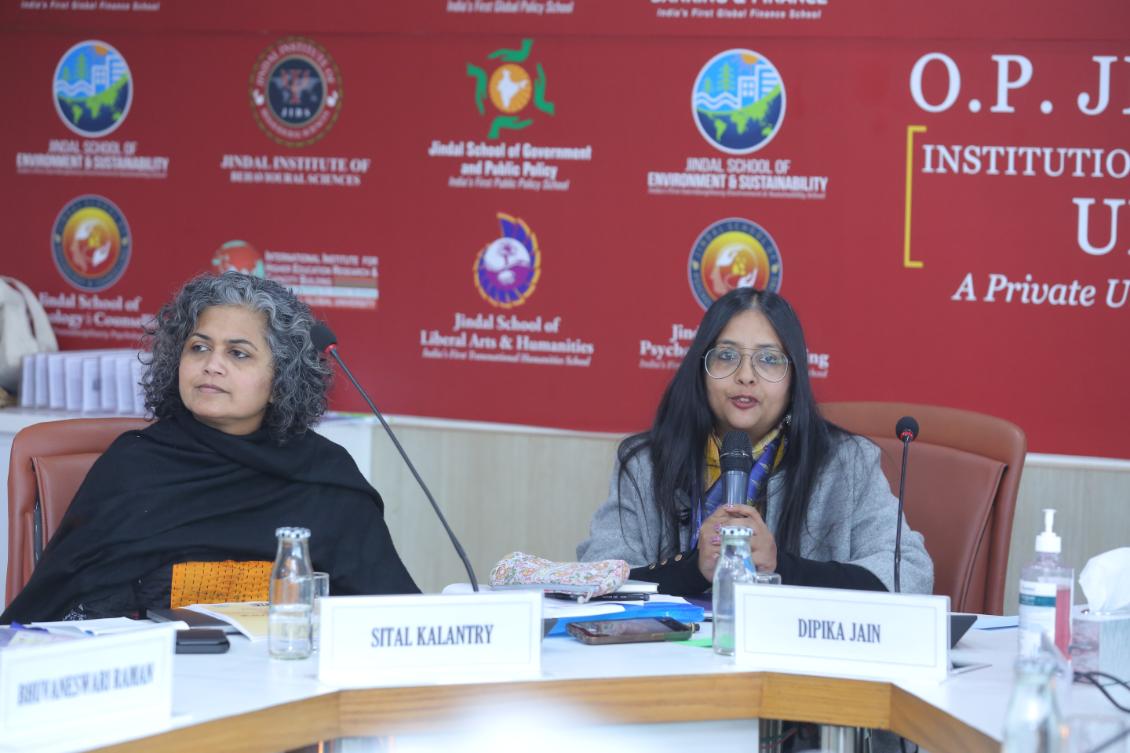
Project Leads
The project is led by Professor Dipika Jain (O.P. Jindal Global University) and Professor Sital Kalantry (Seattle University), with Bhuvaneshwari Raman and Preeti Krishnan as co-researchers, bringing together Indian and U.S. legal scholarship on gender, caste, and access to justice.
Scope
The study combines two methods: an analysis of trial court judgments under the SC/ST (Prevention of Atrocities) Act, the Minimum Wages Act, and the NDPS Act, and in-depth interviews with Dalit women, judicial stakeholders, and community advocates across Bathinda and Mansa.
The first round of field interviews was completed in November 2025, following a stakeholder consultation held at Jindal Global Law School in February 2024 that shaped the project's central questions.
Early Findings
Early findings point to a central tension: Dalit women approach the formal legal system in real numbers, often at real personal risk, yet that engagement coexists with a deep and reasonable distrust of the institutions meant to protect them. Economic precarity, caste-based discrimination, and pressure toward informal 'compromise' all shape whether — and how — justice is actually delivered.
Next Steps
Findings are being developed into a co-authored manuscript for a leading U.S. or international law journal, alongside recommendations for the Roundglass Foundation on programs, including gender-equality training in its Learning Labs and expanded awareness of government entitlements, that could improve women's access to justice, rights, and entitlements in Punjab.