Energy and Buildings

Find out more about advancing sustainability in campus buildings and our energy conservation practices, carbon neutrality and decarbonization efforts.

othershot

Five LEED Gold Buildings

LEED (Leadership in Energy and Environmental Design) Gold is the building standard for all new construction at Seattle University. There are currently five LEED Gold buildings on campus. They each feature native, drought-tolerant plants, high efficiency energy systems and water fixtures, Forest Stewardship Council certified wood products and building products made locally of recycled materials, and more.

If you're interested in visiting one of the LEED Gold certified buildings, schedule a tour with us. Read on to learn more about our energy conservation practices.

Solar panels, green roof and a rainwater cistern mark our first LEED-Gold building, built in 2009. Exterior of Alumni and Admissions Building with a figure walking by quickly.
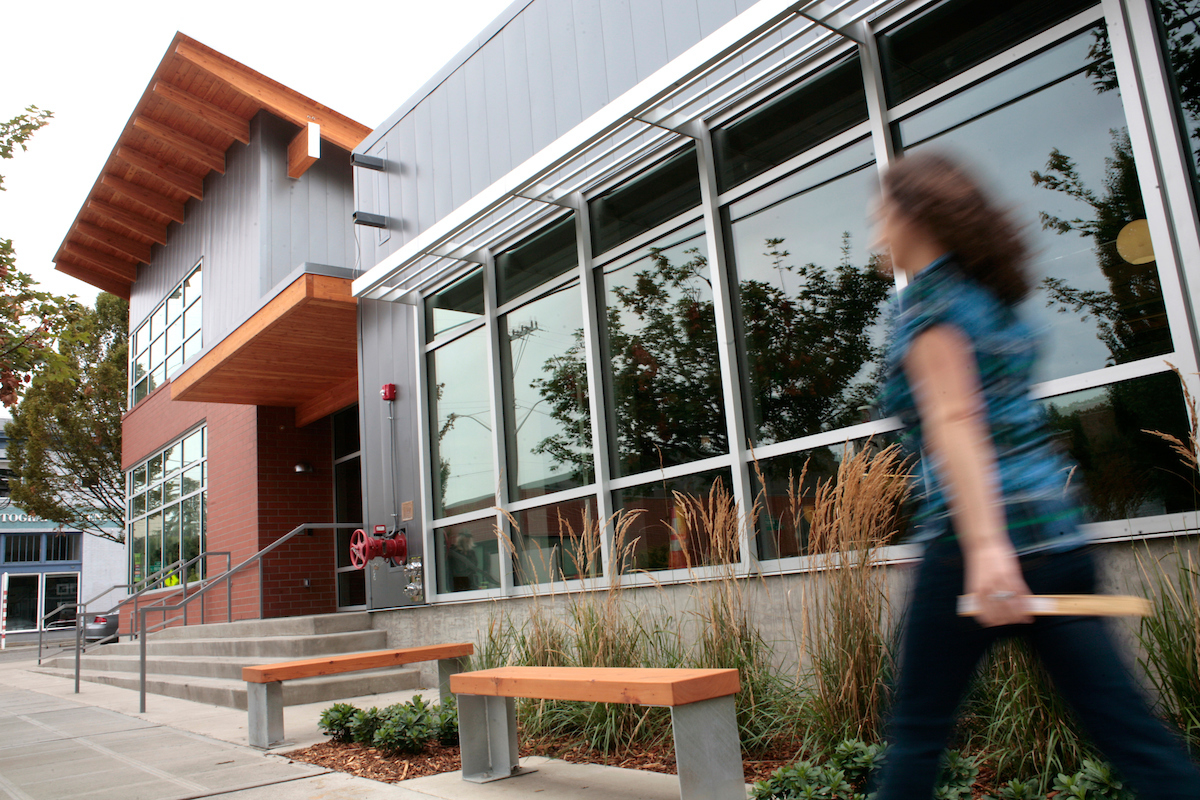
Renovating a warehouse, Energy Star rated office equipment, GreenGuard Certified furniture, and reused furniture are the hallmarks of this LEED Gold building (2010). 
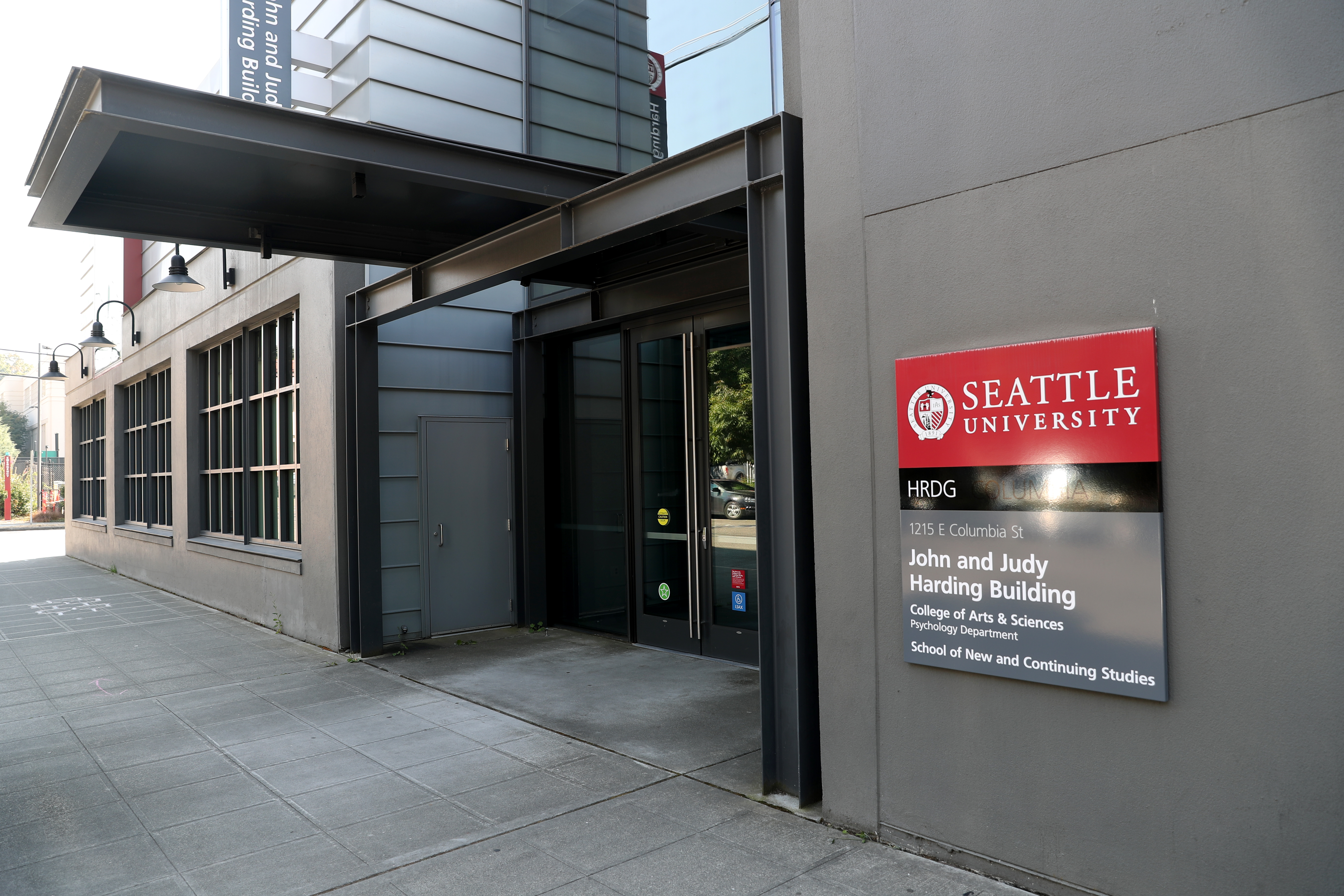
Exterior view of the John and Judy Harding Building

A rain garden, a chilled beam that cools the computer lab, and a raised floor suppling warm air near occupants’ feet are the highlights of the LEED Gold library addition (2011). 
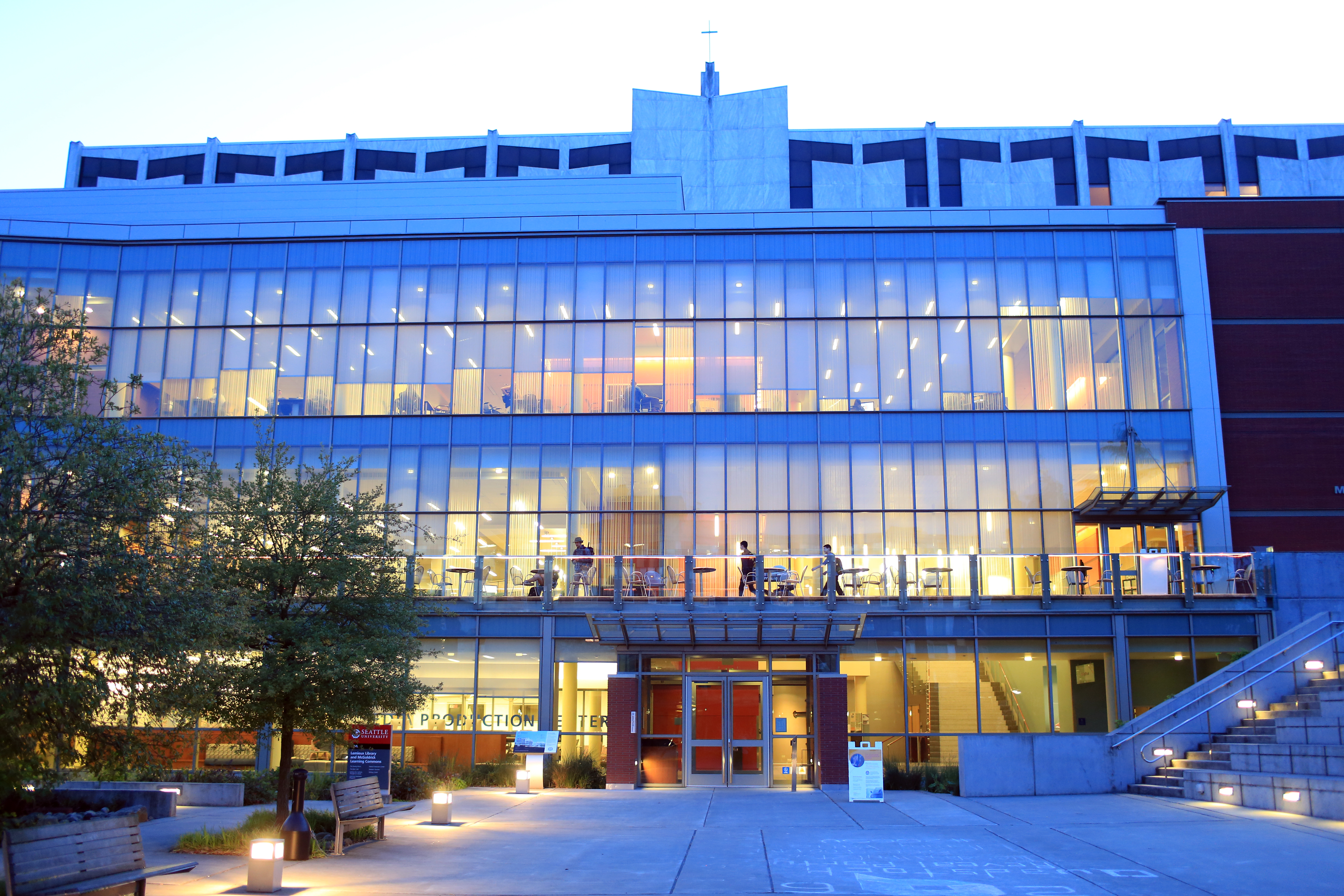
Exterior view of Lemieux Library and McGoldrick Learning Commons

Windows with a view, parking for 50 bikes, and 30% more outdoor air ventilation are the green features of our fourth LEED-Gold building (2012). 
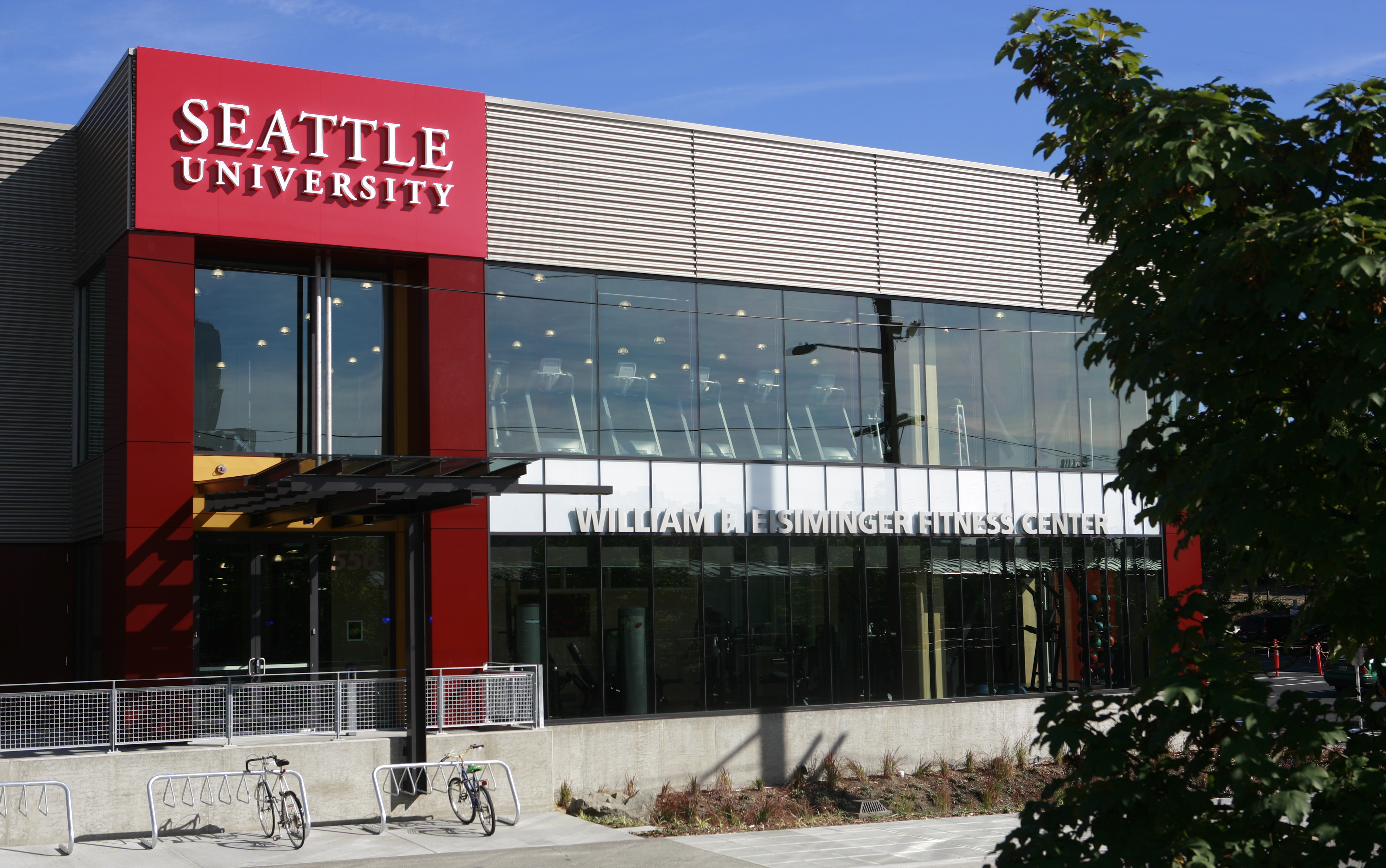
Exterior view of William F. Eisiminger Fitness Center

The Sinegal Center (SINE) is the fifth campus facility to be certified LEED Gold (June 2022). The building features an atrium, a rooftop solar array, and daylight sensors that turn lights off when there is enough daylight present. Electricity is used for heating and cooling the building. 
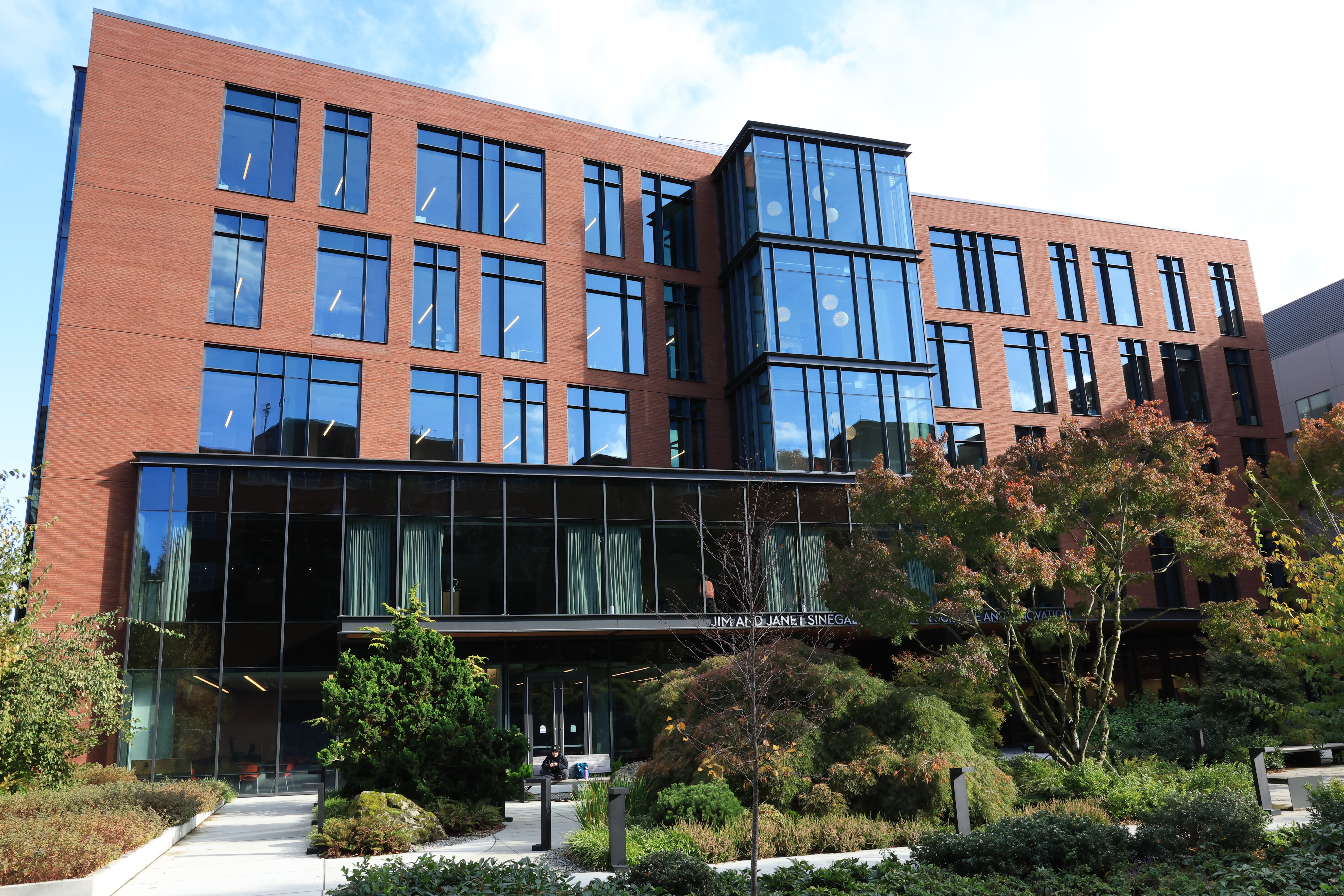
Exterior view of Sinegal Center

Energy

There is no cheaper, cleaner power than energy you don’t have to produce. That’s why energy conservation is an important strategy to reduce Seattle University's greenhouse gas emissions.

View our resource management plan and some examples of energy conservation projects at Seattle University since 2009:

  • Personal Appliance Use policy to promote energy efficiency:  Use of personal appliances for other than the communal spaces is discouraged and must be reviewed and approved by Facilities Operations prior to being placed in service. Personal appliances, such as refrigerators, space heaters, air conditioners, coffee pots, microwaves, etc., add stress to electrical circuits, lead to inefficient energy consumption, and can create a fire hazard.
  • An innovative heat recovery project (2010) captures waste heat from the pool area exhaust and preheats incoming fresh air and swimming pool water. By "recycling" this waste heat, the system cuts annual CO2 emissions by 1.8 million pounds and reduces our annual energy bill by $82,000.
  • Building mechanical systems are connected to an energy management system which efficiently controls building temperature and ventilation based on each building's occupancy hours.
  • Existing light fixtures are being converted to LED lamps as the technology improves and meets a room's needs.

Seattle University's emissions from electricity are zero because Seattle City Light is 100% carbon neutral. In 2005, Seattle City Light became the first electric utility in the country to achieve zero net greenhouse gas emissions. It has maintained that carbon neutral status every year since.

Seattle City Light uses hydroelectric resources for most of the power it provides, which is one reason its greenhouse gas emissions are so low. Seattle City Light's carbon emissions are further reduced by its energy efficiency and conservation programs. Renewable energy projects have been added to the Utility's resource mix, including wind, and additionally, Seattle City Light has an integrated resource plan that relies on only new renewables and energy efficiency to meet future load growth.

Each year, City Light completes an inventory of the utility's greenhouse gas emissions. The largest source is from market purchases of power, both directly by City Light and through the Bonneville Power Administration (BPA). Other sources include fossil fuels used in vehicles and equipment, leakage of SF6 (a potent greenhouse gas used in electrical equipment), employee air travel, and natural gas used for building and water heat and fuel in emergency generators. To maintain its carbon neutral status, City Light purchases offsets for these emissions which are registered through organizations like the Climate Action Reserve and the Verified Carbon Standard.

There are three buildings on Seattle University's campus that are equipped with solar arrays.

  • The Advancement & Alumni building has 24 rooftop solar panels.
  • The Student Center has 8 solar panels mounted on a pole, the south wall and roof. Mechanical Engineering seniors designed this system, Facilities installed it and Seattle City Light funded this 5,500 kWh demonstration project.
  • The Jim & Janet Sinegal Center for Science and Innovation features a 25 panel rooftop solar array in its southwest corner and is solar ready in other areas. 

Carbon Neutrality

Seattle University has been carbon neutral since 2021 thanks to its energy efficiency and conservation measures as well as the purchase of carbon offsets for its scope 1 and 2 emissions.

Net-Zero GHG Emissions Target

In accordance with the 2015 Paris Agreement targets, the Science Based Target Initiative for Faith, Washington state legislation and the City of Seattle’s Building Emissions Performance Standards (BEPS), Seattle University is committed to cutting Scopes 1-2* greenhouse gas (GHG) emissions 33% by 2035 from baseline year 2026, 66% by 2040 and reaching net zero GHG emissions across Scopes 1-2 by 2045. While Seattle University develops and implements decarbonization strategies to meet the 2045 target, the university will (i) continue to purchase offsets to compensate for the remaining scope 1 and 2 emissions generated until the intermediate and end target dates are achieved and (ii) develop a set of recommendations to reduce Scope 3 emissions from commuting, air travel, and purchased goods and services.

Decarbonization

Beginning in fiscal year 2027, Seattle University will start implementation of full campus decarbonization that involves a phased, planned approach including different strategies and methodologies (centralized vs. decentralized, individual building vs. central plant, energy use reduction, etc.), different sectors (private and public partners), and aligns with state and city regulations. This will also include identifying feasibility for energy storage, on-campus renewable energy production and a Green Revolving Fund to support and sustain sustainability projects in operations.

See our Laudato Si' Sustainability Action Plan for more details.

Have questions about resource conservation, carbon neutrality and decarbonization?

Contact Elijah Nerger, Associate Director of Facilities & Campus Services Digital Services at nergerelijah@seattleu.edu