IEJS Fellowships
One of the primary goals of the IEJS is to support the scholarship of Seattle University students and faculty in Environmental Justice and Sustainability (EJS) endeavors. Each year the IEJS awards three faculty fellowships (with a course release or $7,500 stipend) and two student fellowships (with a $2,500 stipend per student project).
Hear from A former faculty fellow
Dr. John Armstrong
"The IEJS fellowship provided vital support for a study investigating how cities can undertake low-carbon transitions. Thanks to the fellowship, I was able to work with two undergraduate research assistants and publish the study in a top journal."
Associate Professor, Environment & Sustainability - Laudato Si' Faculty Fellow 2024-25
Laudato Si' Faculty Research Fellowships
The Laudato Si' Faculty Fellowships honor Pope Francis's initiative to promote integral human development by encouraging concrete actions in the care of our common home. The fellowships are offered to faculty members who dedicate their scholarly endeavor to the research of tools, resources and solutions that advance sustainability in the spirit of integral ecology.
As a result of participating in the IEJS fellowship, many faculty members have presented at conferences, obtained grants, received awards, or published papers and book chapters. Explore the accomplishments:
- Valentina Zamora, 2026-2027 Fellow
- Obtained the “Henri de Laulanié, SJ Prize” award at the International Association of Jesuit Business Schools World Forum (July 2026) in recognition of the paper she and her research partner, Dr. Dana Nugent (Fairfield University), wrote and presented: “Integral Ecology in Practice: Laudato Si’ Goals, Sustainability Performance, and Institutional Outcomes.”
- Jessica Imanaka, 2025-26 Fellow
- Rob Efird, 2024-25 Fellow
- Published a chapter "All Our Relationships: Settler Translations of Indigenous Relations with Plants" in Routledge's Handbook of Environmental Anthropology
- John Armstrong, 2024-25 Fellow
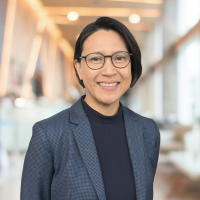
Valentina Zamora
Professor of Accounting
Graduate Director of Accounting
zamorava@seattleu.edu
IEJS Research Fellowship Title: Sustainability Reporting and Performance in Higher Education
This project asks and models: Which institutional factors and organizational priorities predict adoption of formal sustainability reporting frameworks such as AASHE STARS, Second Nature climate commitments, “Green Colleges” ratings? After adoption, do institutions experience measurable changes in enrollment, donor support/finances, and sustainability-related academic offerings—and are effects different for mission-driven schools relative to peers such as AJCU schools? Despite notable expansion of sustainability reporting in higher education, universities lack empirical evidence on whether and how these frameworks relate to measurable change or impact. This study addresses that gap, specifically for Jesuit and other mission-driven institutions, wherein alignment of values, strategy, and environmental justice is especially salient.

Elaine Gunnison
Professor of Criminal Justice, Criminology & Forensics
Graduate Director, Master of Arts in Criminal Justice
gunnisone@seattleu.edu
IEJS Research Fellowship Title: Federal Court Prosecutions: Green Crimes and Justice Outcomes
Since the inception of Green Criminology, scholars have examined various green crimes and their impact on communities. Despite the emerging research, gaps still remain. Specifically, researchers have not conducted a deep investigation into the nature of the federal prosecutions of green crimes, the perpetrators of such offenses, and justice outcomes. This research investigation seeks to fill this gap. Utilizing secondary data collected from The Environmental Crimes Bulletin, this research investigation examines federal court case data from 2021-2025 to categorize cases by State, the nature of the case, harm, the perpetrator of the case (individual, co-defendant, group/organization), Violations, Case status (indictment, sentenced, punishment, punishment pending). Also, if the green crime reported in the course case impacted a community, U.S. Census data will be examined to determine if the crime impacted a marginalized community through identification of race, education, and income levels.
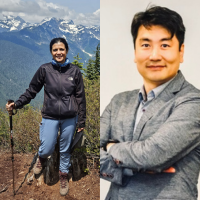
Meenakshi Rishi
Professor of Economics
rishim@seattleu.edu
David Kwon
Assistant Professor of Theology and Religious Studies
dkwon@seattleu.edu
IEJS Research Fellowship Title: Valuing Creation Justly: Environmental Justice, Integral Ecology, and the Moral Limits of Willingness-to-Pay
Environmental policy decisions often rely on economic valuation tools to guide regulatory priorities and cost–benefit analysis. One widely used approach is Willingness-to-Pay (WTP), a method that estimates how much individuals would pay for environmental improvements such as cleaner air, safer water, or climate mitigation. While influential, WTP carries a structural concern: it links environmental value to income. Integrating economic analysis with moral theology, we evaluate whether valuation frameworks that mirror economic inequality can genuinely serve the common good. Drawing on principles of solidarity, the project develops constructive reform pathways—such as distributive weighting, equity-sensitive adjustments, and normative guardrails—within valuation practice.
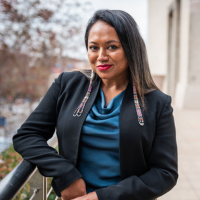
Nazune Menka
Assistant Professor of Law
Faculty Director, Northwest Center for Indigenous Law
menka@seattleu.edu
IEJS Research Fellowship title: Northwest Tribal Nations & Environmental Justice
This project has two goals, both of which are rooted in the principle of reconciliation. First, Prof. Menka will develop a new course that encourages reframing environmental justice as a need that arose from the harms of settler colonialism. And second, the research for the course will include documenting the complicated history between the Jesuits and Indigenous Peoples. For Tribal Nations, the impacts of settler colonialism are inextricably linked to land dispossession and cultural assimilation, but Tribal Nations are now actively reclaiming Indigenous epistemologies and languages; they are truly laboratories of democracy. Prof. Menka wants to develop a course on Environmental Justice that incorporates the history of Seattle University including the Jesuit history with Indigenous Peoples in the Pacific Northwest and traces that history to the present focusing on land and the law.
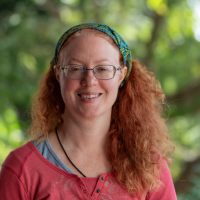
Jessica Ludescher Imanaka, PhD
Associate Professor, Department of Management and Department of Philosophy
imanakaj@seattleu.edu
IEJS Research fellowship title: Institutions and Environmental Sustainability: Understanding Legitimation in the Papal Encyclical Laudato Si'
In 2025–2026, Dr. Imanaka and co-author Stephanos Aviakian (University of Brighton, UK) will complete a book, Institutions and Environmental Sustainability: Understanding Legitimation in the Papal Encyclical Laudato Si’. The overarching objective of the book is to study the means by which Laudato Si’ leverages the institutional legitimacy of the Catholic Church to advance the legitimacy of environmental sustainability objectives. Existing scholarship on institutional legitimacy and sustainability in organizational studies has tended to focus on secular institutions like corporations, governments, and transnational governing bodies like the UN. In bridging these studies with the contributions of Catholic Social Teaching (CST) in Laudato Si’, Jessica and Stephanos organize their project around a set of philosophical categories to frame the challenges and opportunities involved in legitimating change management for sustainability.
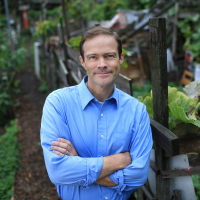
Rob Efird
Professor, Anthropology and Sociology
CASY 310
efirdr@seattleu.edu
Dr. Efird's research and writing project combines interviews, applied ethnography and archival research to explore the potential for non-Indigenous people to practice environmental education in ways that support decolonization and Indigenous cultural resurgence. Non-Indigenous K-12 educators throughout Washington state are newly obliged by law to teach Indigenous history, culture and sovereignty—but unsure how to do so accurately and respectfully. At the same time, led by a small group of Indigenous and non-Indigenous scholars and practitioners, the field of environmental education (EE) is finally beginning to confront the questions of how to account for settler colonialism in EE research and practice, and advancing decolonization and Indigenous cultural resurgence. At this critical juncture, there is a pressing need to critically analyze and empirically evaluate these leading-edge developments in EE theory and praxis, and then widely disseminate the conclusions.
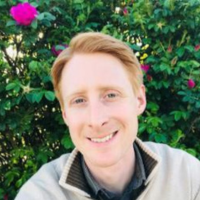
John Armstrong
Assistant Professor, Environmental Studies
CASY 210
jarmstrong@seattleu.edu
While thousands of cities have taken some form of climate action over the past two decades, only a small number have adopted ambitious policies that will reduce emissions significantly. Dr. Armstrong's study will examine the development of city climate programs for low-carbon transitions, defined as mandated targets of 80% or greater reduction in GHG emissions by 2050 or sooner, and assess whether and how the policies are integrating environmental justice. In ten cities across the U.S., Armstrong will analyze the political conditions behind the adoption of these low-carbon transition policies.
Hear from A former student fellow
Simren Rai
"Receiving the Gary L. Chamberlain Fellowship from the IEJS was the best experience presented to me during my graduate program at Seattle University. The IEJS has welcomed us into an inspiring group of other faculty and students fighting for environmental justice."
MFA, Arts Leadership - Gary L. Chamberlain Fellow 2024-25
Gary L. Chamberlain Student Research Fellowship
The Gary Chamberlain Student Research Fellowship honors Dr. Gary Chamberlain who taught at Seattle University from 1979 until 2009 in the Theology and Religious Studies Department. Dr. Chamberlain was a beloved teacher who contributed to the growth of the Environmental Studies Program and encouraged countless students to pursue their passion for environmental advocacy.
Explore the accomplishments past Chamberlain Fellows have achieved with the support of the IEJS Fellowship program:
- Simren Rai and Fatema Boxwala, 2024-25 Fellows
- Received $14,000 grant from 4Culture to continue their work on the "Engrained is Our Story" project
- Debut of the quilt with storytelling performances at an event in Seattle's Townhall on November 7th, 2026
- Gabe Veltri and Olivia Roberts, 2023-24 Fellows
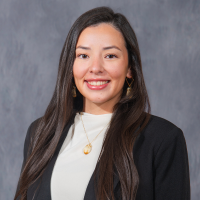
Terryanna Blodgett
Doctor of Juridical Science candidate, School of Law
IEJS Research fellowship Title: Environmental Justice Through Treaty Fishing Rights: The Impact of the Fish Wars on Yakama Nation Sustainability Practices
This research project will examine the environmental and cultural impacts of federal policy on the Columbia River, specifically the impact of federal policy, dam construction, and the Treaty Fish Wars on Indigenous sustainability practices. With a specific focus on the experiences and rights of the Yakama Nation, the proposed study will analyze how the dam’s submergence of sacred sites, such as Celilo Falls, and the restriction of treaty-protected fishing rights disrupted the Yakama Nation’s long-standing ecological stewardship of the Columbia River. The study will incorporate interviews with Yakama knowledge keepers, fisheries experts, and community members still practicing sustainability techniques and investigate how Indigenous sustainability practices have endured despite legal battles and environmental degradation.

Ibrahim Badawi
Doctor of Juridical Science candidate, School of Law
IEJS Research fellowship Title: Legislative and policy reforms under the Electronics Accountability, Sustainability, and Longevity Act
Ibrahim's project aims to address the growing issue of electronic waste (e-waste) by proposing legislative and policy reforms under the Electronics Accountability, Sustainability, and Longevity Act (EASLR). The main objectives are:
- Extending the lifespan of electronic products through right-to-repair policies and anti-planned obsolescence regulations
- Reducing environmental and health risks associated with improper e-waste disposal
- Encouraging circular economy principles by promoting product design improvements and sustainable recycling methods
- Advocating for legal accountability measures to regulate electronic manufacturers and reduce illegal e-waste trade
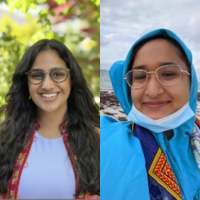
Simren Rai & Fatema Boxwala
Master of Fine Arts in Arts Leadership
IEJS Research fellowship Title: Engrained is Our Story
According to the Washington State Grain Commission, 2.33 million acres of wheat was harvested in 2021. This mass production of wheat contributes to environmental vulnerabilities such as soil salinity, drought, and wildfires. We will weave a large installation piece to exhibit around WA state and start conversations about the cultural, environmental and sustainability issues with hybridized wheat production. Each quilt square will be designed based on a narrative around a specific seed - either an indigenous seed that is threatened by mass farming of wheat, or an alternative grain brought to WA state by an immigrant community. Collaborating with stakeholders, we'll create squares reflecting cultural aesthetics and record oral seed memories shared by participating community storytellers.
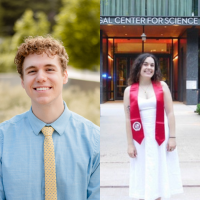
Gabe Veltri & Olivia Roberts
Biology & Marine and Conservation Biology
IEJS Research fellowship Title: Composition of Moss Dwelling Invertebrate Communities in Southern Seattle: Duwamish Valley vs. Seattle Parks
Moss is an abundant and critical part of ecosystems worldwide, especially in the temperate ecosystems of the Pacific Northwest. Mosses house a wide array of invertebrates and have been used as a bioindicators of air pollution in the area they grow as they sequester heavy metals. However, comparative studies on the biodiversity of moss-associated invertebrates have been limited. Such research on invertebrates, to our knowledge, has not been done in the Pacific Northwest or Seattle area. This study uses moss to sample invertebrate communities from localities in the Duwamish Valley and Seattle green spaces to quantify the biodiversity present in each community. Using this data, we will analyze heavy metal concentrations and percent impervious surfaces, to see if these factors correlate with differences in moss microinvertebrates among sites.
Hear from A former student fellow
Kamila Kuc
"The IEJS Francis Fellowship allows me to experiment with new ethical filmmaking methodologies, design inclusive spaces for emotional processing, and contribute to emerging climate narratives that prioritize justice, care, and collective healing. The IEJS fellowship provides funds, mentorship, resources, and a collaborative platform for a meaningful exchange between the awardees."
MAEd, Clinical Mental Health Counseling - Francis Fellow 2024-25
Francis Student Research Fellowship
The Francis Student Research Fellowship honors the patron saint of the animals and of ecology, St. Francis of Assisi, and his namesake Pope Francis who, through Laudato Si', encourages us to Care for Our Common Home, to consider the inextricable link between environmental and social sustainability and “to hear both the cry of the earth and the cry of the poor”.
Explore the accomplishments past Francis Fellows have achieved with the support of the IEJS Fellowship program:
- Abby Robertson, 2025-26 Fellow
- Kamila Kuc, 2024-25 Fellow
- 6 original short films by participants of Kamila's workshop, showcased at the Cadence Video Poetry Festival 2025
- Collaboration with Thomas Doherty on Season 4, Episode 15 of Climate Change & Happiness podcast, discussing social dreaming and art and counseling-based approaches to climate healing
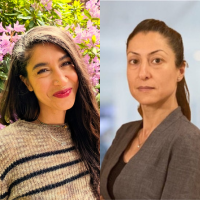
Betul Coban & Ayca Dabis Gillett
Master of Arts in Education in Clinical Mental Health Counseling Candidates
IEJS Research Fellowship Title: Forging Sustainable Professional Practice: A Mixed-Methods Study of AI Use and Environmental Justice in Counselor Education
Generative Artificial Intelligence (AI) is rapidly becoming a standard tool in mental health and counselor education for tasks like administrative efficiency, treatment planning, and skills practice. However, the significant environmental impacts of AI due to carbon emissions, immense water consumption, and toxic electronic waste remain ignored. Our qualitative study aims to address this gap by establishing a baseline of current AI usage patterns, ethical framing, and sustainability literacy among counseling students and faculty across four counseling programs at Seattle University. Participants will complete an initial survey and then engage with a brief educational intervention utilizing a two-page infographic that details the ecological, social, and political impacts of AI infrastructure. Following the intervention, researchers will assess whether exposure to information regarding AI's hidden costs, such as algorithmic discrimination and resource extraction, shifts participants' awareness, concerns, and behavioral intentions regarding future AI adoption behavior.

Abby Robertson
DNP Candidate, College of Nursing & Health Sciences
IEJS Research fellowship title: "Empowering Nurses to Advocate for Sustainability"
Empowering Nurses to Advocate for Sustainability is intended to build a website for nurses to access and learn about climate change. The website will give nurses the tools to advocate for sustainability in 3 ways: (1) educate patients about climate change and its impact on their health; (2) political activism to lobby local and national government representatives for climate positive policies; and (3) interdisciplinary teamwork in the clinical setting to create more sustainable methods for delivering care. The project will be split into two phases: the first phase will be to find and synthesize research on each of these topics to develop a plan for each of the three methods of advocacy. The second phase will be to design, prototype, and publish the website that will contain the results of this research.
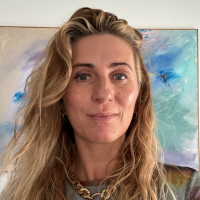
Kamila Kuc
Mental Health Counseling in College of Education
IEJS Research Fellowship title: Hyperobjects & Climate Hostages
Although the climate crisis is an intersectional issue, the discourse suffers from narratives of disasters and white saviourism. By engaging those who have experienced direct and indirect effects of climate change, alongside climate change sceptics, this project aims to address societal and economic injustices that prevail in the discourse of climate change. Fused with the spirit of climate crisis activism and radical art practices, Hyperobjects & Climate Hostages brings together creative arts (film), as well as psycho-social (social dreaming) and mental health practices (counseling), to investigate the development of new ethical frameworks for filmmakers who wish to facilitate safe, collaborative sharing of complex emotions and experiences concerning the climate crisis; the design of new methodologies of care and trust for participatory filmmaking in the context of climate crisis.

Angela Su
College of Nursing
IEJS Research Fellowship title: Examining Sexual and Reproductive Health Education Strategies and Their Impact on Measures of Social Sustainability
Sexual and reproductive health (SRH) education is a pillar of public health education in the United States, and has been used to mobilize SRH knowledge to promote sexual and reproductive well-being. SRH education includes discussions of hormonal changes of puberty, safe-sex practices, pregnancy prevention, and other related topics which allow people to be informed on how to manage changes during their reproductive years. Critiques have led to inconsistent methods of education ranging from a comprehensive SRH model to a more minimal abstinence-focused model. This wide range of education models has led to inequitable access to public health knowledge and safe methods of care. In her research, Angela will explore how comprehensive sexual and reproductive health education versus abstinence-focused education impacts measures of social sustainability in the United States.